A pipeline based on Zeek, OpenTelemetry Collector, and NetBox: not to collect more data, but to make the data slightly less insulting to interpret.
Zeek + OTEL + NetBox enrichment: turning network noise into something you can actually reason about
A pipeline based on Zeek, OpenTelemetry Collector, and NetBox: not to collect more data, but to make the data slightly less insulting to interpret.

If you’ve ever been called awake at 3 AM because your system just decided to implode, you probably blamed the usual suspects: that careless developer, the last deploy, or some flaky hardware. Well, newsflash — it’s almost never just that.
Shipping fast is great—until you ship something wrong. You know what sucks? Pushing a new feature, then realizing it’s buggy or just plain annoying, and having to redeploy your entire app to turn it off. Cue angry Slack messages, frantic late-night fixes, and that sinking feeling in your gut.
British psychologist James Reason nailed it with the Swiss Cheese Model, which basically says: multiple layers of defense exist… each with their own flaws (holes), and when those holes decide to party together, boom — disaster served on a platter.
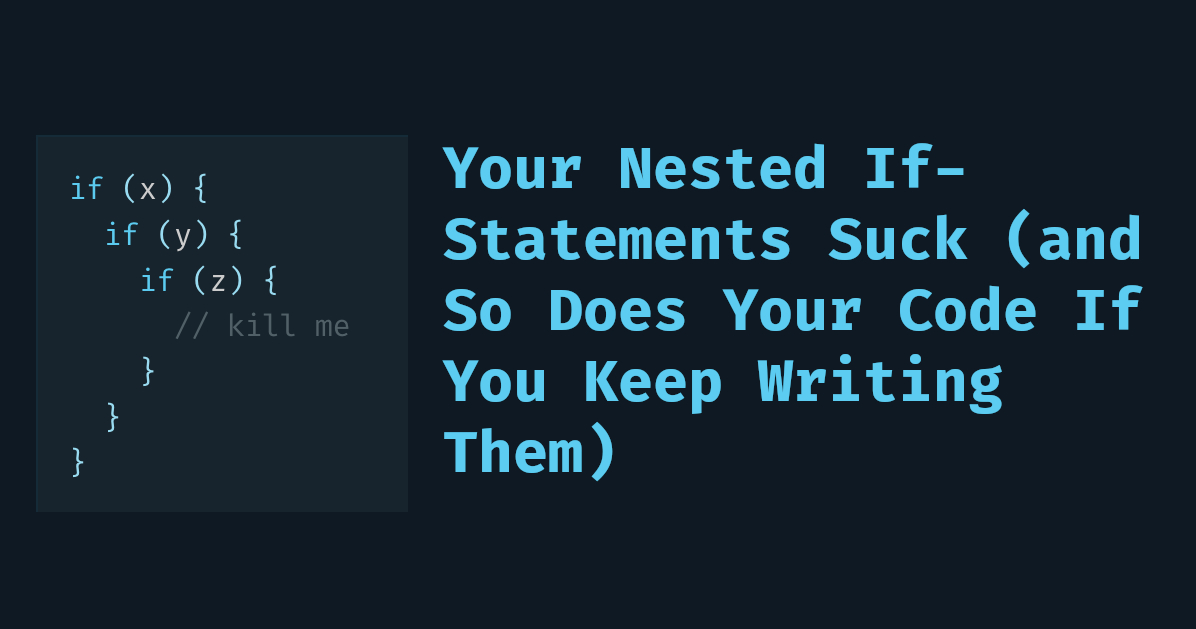
Deep nesting isn’t just a style. It’s a slow, insidious form of self-sabotage that turns every function into a debugging labyrinth. And yes, it makes you look like an amateur.
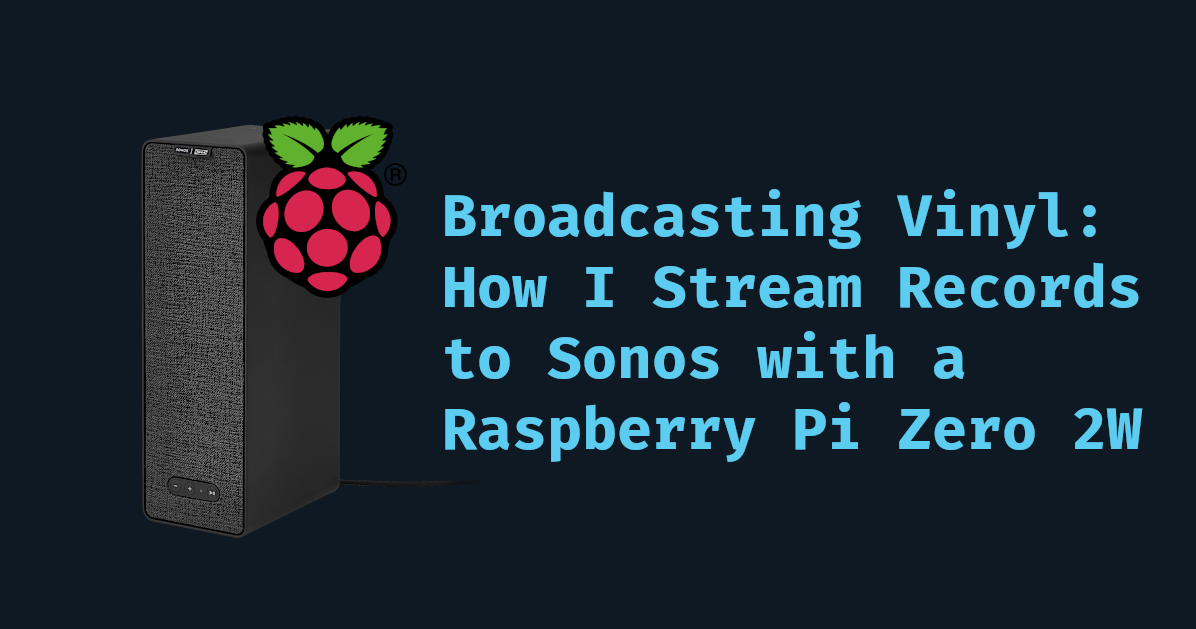
I hacked together a solution: stream my turntable live over Wi-Fi to any Sonos speaker or even groups using a Raspberry Pi Zero 2W, a Behringer UFO202 Soundcard, and two key tools—Icecast2 and DarkIce. Now, when I spin a record, it plays in every room. No skipping, no shuffling, just that musical goodness, end to end.
(Spoiler: Your “Hello World” Just Became a National Security Risk) Let’s cut the bullshit. You’re using ByteDance’s new AI code editor, Trae, because it’s free, it’s shiny, and it promises to turn your half-baked Python snippets into something resembling functional code. But while you’re patting yourself on the back for automating FizzBuzz, here’s the cold truth: Trae isn’t just helping you code—it’s vacuuming up your intellectual property like a Roomba at a cracker factory. Let’s break down why your “shitty Leetcode” solutions are the real MVP here… for ByteDance’s global ambitions.

Let’s be honest—choosing the right OS for your Kubernetes cluster can be a bit like picking the right pair of shoes for a hike: get it wrong, and you’ll be stumbling all the way up the mountain. Enter Flatcar Linux, an OS purpose-built for containers and Kubernetes, and, in my opinion, one of the most underrated players in the game.
Let’s face it: Kubernetes troubleshooting can feel like herding sheep… or maybe a pack of hyperactive dogs. You’re jumping between pods, chasing logs, and before you know it, you’re buried under a pile of kubectl commands longer than your lunch break. But what if there were a better way? Enter K9s —your new best friend in the wild world of Kubernetes!
Exposing Kubernetes services to the internet can be a challenge, especially when you’re developing applications on Kubernetes. ngrok simplifies this process, allowing developers to expose their clusters and pods quickly and securely.